

“We weave ideas, scribe forward, align with life and create connection.”
— Dr Demeter | Emily Samuels-Ballantyne
Covering topics on Foundational Economics, Convivial Governance, Anthroposophic Philosophy & Everyday Regeneration in Tasmania
Overview
The Island Almanac is a living compendium of stories, tools and place-based examples that weave together foundational economics, anthroposophic wisdom and the rhythms of everyday life. Rooted in the soils of Tasmania and flowering from Magical Farm Tasmania. Across its pages you’ll find:
Practical essays on redirecting public and private wealth into community resilience
Anthroposophical reflections on seasonal rhythms, ritual and soul-led innovation
Tasmanian case studies from coastal hamlets to mountain valleys
Project spotlights on island-wide initiatives, from seed libraries to solar co-ops.
Living Architecture: A dynamic framework of interconnected practices, food, housing, energy, governance, culture, activism and economics that grows, adapts and breathes like an ecosystem, rather than standing as static policy or infrastructure. These seven pillars form the Living Architecture of Regen Era Design Studio & The Island Almanac: integrating heart, head & hands to power a truly regenerative future.
Food, Plants and Planets
Housing and Natural Building
Energy
Community Life, Learning & Culture
Sacred Activism
Convivial Governance
Regenerative Economic Design.

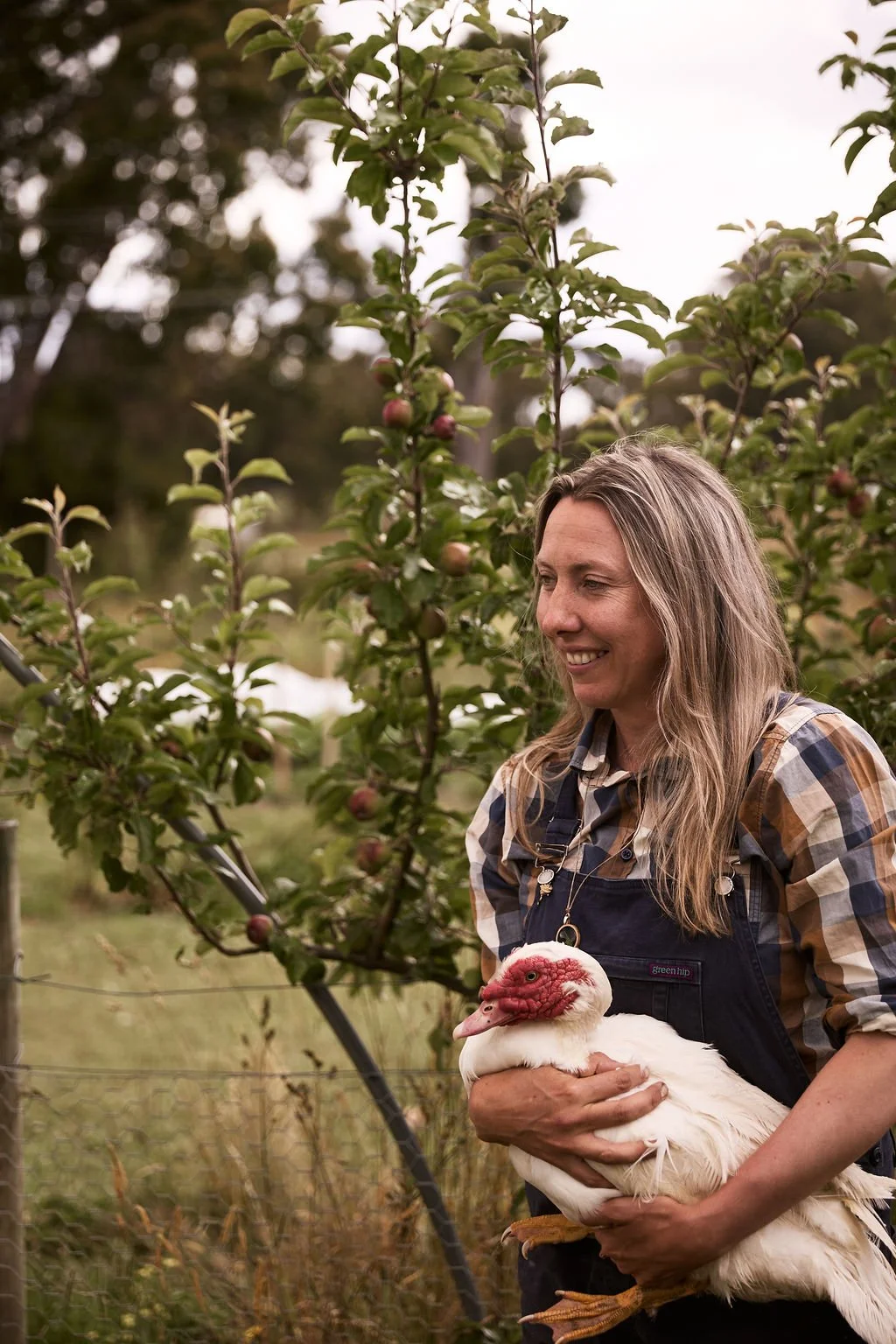
Scenario 2 for Salmon: Cut Through the Spectacle, Fund the Living Economy
Tasmania’s salmon debate has become an expensive, polarised spectacle that generates plenty of documents and conflict but too little practical change. The article proposes “Scenario 2”: a clear transition that reduces ecological pressure through published water thresholds and pre-agreed actions, while building a diversified, localised food and protein economy. Using Tasmania’s Agri Food ScoreCard, it highlights a core paradox: despite producing around 11 times more food than residents consume, Tasmania still sources about $1.97b (36.5%) of its food spend from outside the state. Capturing $1b/year of that leakage through hubs, cold chain, processing, cooperative logistics and public procurement could support roughly 5,000–7,100 jobs, matching salmon’s employment footprint with a more resilient model.